


Sciatique et sommeil : la position qui soulage la nuit
Cette douleur qui part du bas du dos, traverse la fesse et descend dans la jambe, vous la redoutez surtout au moment du coucher. La sciatique peut transformer une simple nuit de sommeil en véritable défi. Pourtant, certaines positions soulagent vraiment le nerf sciatique et rendent les nuits plus supportables. On vous partage les bons gestes, avec douceur et sans promesse miracle.
Comprendre la sciatique en quelques mots
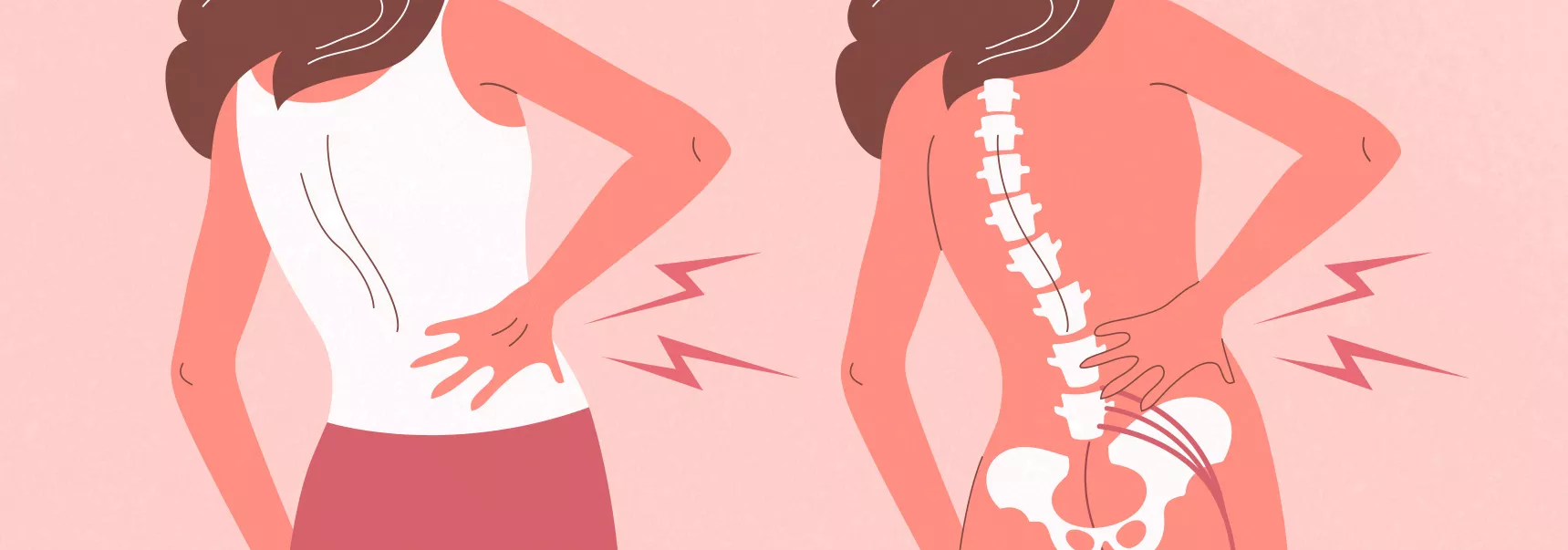
Le nerf sciatique est le plus long du corps humain. Il prend naissance dans le bas de la colonne, traverse la fesse et descend le long de l'arrière de la jambe, parfois jusqu'au pied. Quand ce nerf est comprimé ou irrité, souvent par une hernie discale ou une contracture musculaire, la douleur irradie tout le long de son trajet.
Cette compression peut venir de plusieurs causes, et seul un professionnel de santé peut en déterminer l'origine exacte. Ce qui nous intéresse ici, c'est comment limiter la pression sur ce nerf pendant la nuit pour mieux dormir.
Pourquoi la sciatique se réveille-t-elle la nuit ?
On pense souvent que la sciatique fait plus mal en journée, quand on bouge. C'est parfois l'inverse. Quand vous restez inactive longtemps, allongée dans votre lit, les muscles se contractent et la douleur du nerf sciatique est plus susceptible de se manifester.
À cela s'ajoute la question de la posture. La nuit, le corps reste immobile plusieurs heures. La position adoptée peut soit diminuer la pression sur le nerf et réduire la douleur, soit au contraire accentuer la compression et vous réveiller. Le choix de la position devient donc un vrai levier de confort.
La position qui soulage : sur le côté, coussin entre les genoux
C'est la posture la plus souvent conseillée par les orthopédistes. Allongez-vous sur le côté, idéalement du côté opposé à la jambe douloureuse, repliez légèrement les genoux en chien de fusil, et glissez un coussin ferme entre vos genoux.
Pourquoi ça marche ? Le coussin maintient vos hanches et votre bassin alignés, empêche le bas du dos de se tordre, et réduit ainsi la pression sur le nerf sciatique. Quand le bassin bascule pendant le sommeil, il peut comprimer ce nerf et aggraver l'inconfort. Le coussin stabilise le bassin et limite cette torsion. C'est un geste simple pour un soulagement réel.
L'autre option : sur le dos, coussin sous les genoux
Si dormir sur le côté ne vous convient pas, la position sur le dos est une excellente alternative. Couchez-vous sur le dos et placez un coussin ou un petit traversin sous vos genoux.
Cette posture maintient la courbure naturelle du bas du dos et relâche les lombaires. En surélevant légèrement les jambes, elle réduit la tension sur le nerf sciatique et favorise la détente musculaire dans la région lombaire. Beaucoup de personnes y trouvent un vrai apaisement.
Les positions à éviter
Un point important : dormir sur le ventre est généralement déconseillé en cas de sciatique. Cette position accentue la cambrure du bas du dos et peut aggraver la compression du nerf. Si vous ne pouvez vraiment pas dormir autrement, un coussin sous le bassin et le bas-ventre limite un peu les dégâts, et un oreiller très fin sous la tête réduit la tension cervicale.
Quelques gestes complémentaires
Au-delà de la position, ces habitudes peuvent aider :
- Gardez votre chambre à une température douce, autour de 18 à 20 degrés.
- Pratiquez quelques étirements doux avant le coucher pour relâcher les muscles.
- Choisissez un oreiller qui soutient bien la tête et le cou.
- Optez pour un matelas offrant un bon soutien, ni trop mou ni trop ferme.
- Essayez la respiration profonde pour calmer le système nerveux avant de dormir.
Le coussin Pillova, un soutien stable entre vos genoux
La clé de la position sur le côté, c'est un coussin qui reste ferme et bien placé toute la nuit. Un oreiller mou s'écrase sous le poids des jambes et perd son efficacité en une heure. Le coussin d'alignement Pillova a été conçu pour les dormeuses latérales qui cherchent un maintien stable.
Sa mousse à mémoire de forme à densité contrôlée ne s'affaisse pas et garde vos jambes parallèles, ce qui stabilise le bassin et limite les torsions lombaires. Sa sangle réglable l'empêche de glisser pendant que vous dormez. Sa housse déhoussable et lavable reste saine au fil des nuits.
Soyons honnêtes sur ce point : le coussin ne traite pas la cause de la sciatique. C'est un accessoire de bien-être, pas un dispositif médical. Mais en neutralisant la rotation du bassin, il peut améliorer le confort nocturne et rendre certaines positions plus supportables. Avec 45 nuits d'essai satisfaite ou remboursée, vous voyez s'il vous soulage.
Quand consulter sans attendre
La sciatique nécessite l'avis d'un professionnel de santé, surtout si la douleur est intense, persiste, s'aggrave, ou s'accompagne d'une faiblesse dans la jambe ou d'autres symptômes inhabituels. Kinésithérapie, traitement adapté, suivi médical : seul un professionnel pourra vous orienter. Les ajustements de position et un coussin de confort accompagnent cette prise en charge, ils ne la remplacent jamais.

