


Sciatica and sleep: the position that brings relief at night
That pain that starts in your lower back, goes through your buttock, and down your leg, you dread it especially when it's time to go to bed. Sciatica can turn a simple night's sleep into a real challenge. However, certain positions really relieve the sciatic nerve and make nights more bearable. We'll share some good habits, gently and without miracle promises.
Understanding Sciatica in a Few Words
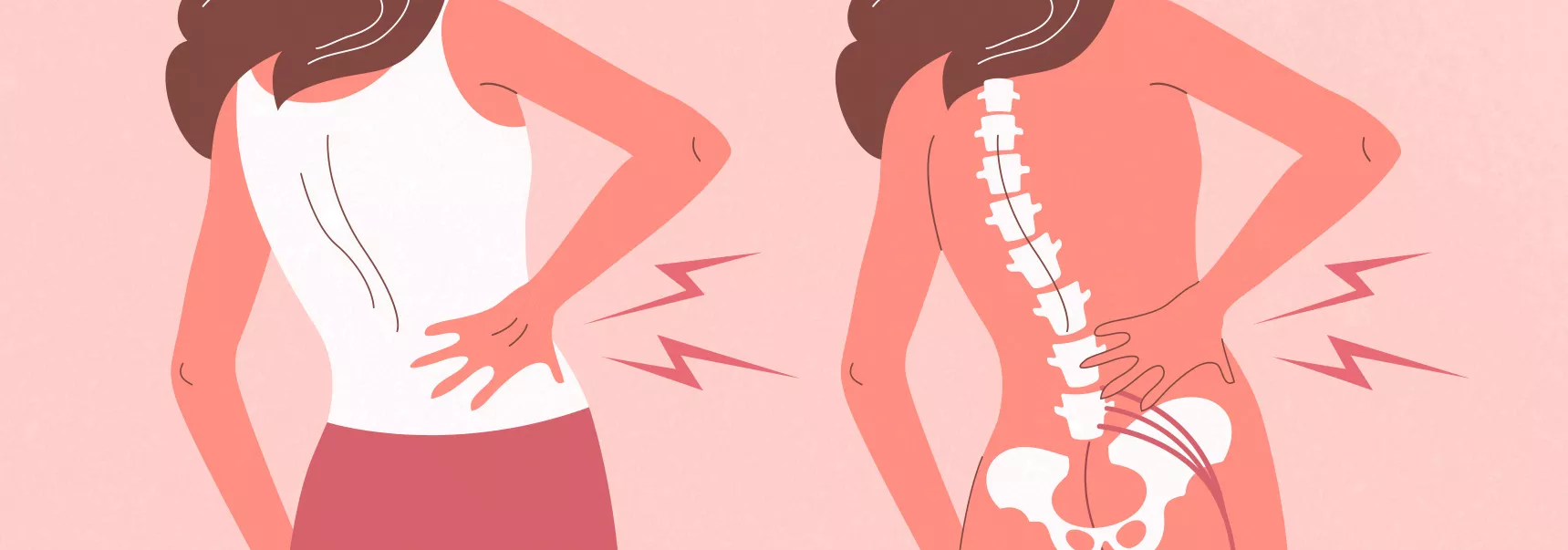
The sciatic nerve is the longest in the human body. It originates in the lower spine, passes through the buttock, and descends along the back of the leg, sometimes all the way to the foot. When this nerve is compressed or irritated, often by a herniated disc or muscle spasm, the pain radiates all along its path.
This compression can result from several causes, and only a healthcare professional can determine its exact origin. What interests us here is how to limit pressure on this nerve during the night to sleep better.
Why Does Sciatica Wake Up at Night?
We often think that sciatica hurts more during the day when we are moving. Sometimes it's the opposite. When you remain inactive for a long time, lying in bed, your muscles contract, and sciatic nerve pain is more likely to manifest itself.
Added to this is the question of posture. At night, the body remains still for several hours. The adopted position can either reduce pressure on the nerve and lessen pain, or conversely, increase compression and wake you up. The choice of position therefore becomes a real lever for comfort.
The Relieving Position: On Your Side, Pillow Between Your Knees
This is the posture most often recommended by orthopedic specialists. Lie on your side, ideally on the side opposite the painful leg, slightly bend your knees like a fetal position, and place a firm pillow between your knees.
Why does it work? The pillow keeps your hips and pelvis aligned, prevents your lower back from twisting, and thus reduces pressure on the sciatic nerve. When the pelvis tilts during sleep, it can compress this nerve and worsen discomfort. The pillow stabilizes the pelvis and limits this twisting. It's a simple gesture for real relief.
The Other Option: On Your Back, Pillow Under Your Knees
If sleeping on your side doesn't suit you, the supine position is an excellent alternative. Lie on your back and place a pillow or small bolster under your knees.
This posture maintains the natural curve of the lower back and relaxes the lumbar region. By slightly elevating the legs, it reduces tension on the sciatic nerve and promotes muscle relaxation in the lumbar area. Many people find real relief this way.
Positions to Avoid
An important point: sleeping on your stomach is generally not recommended for sciatica. This position accentuates the arch of the lower back and can worsen nerve compression. If you really can't sleep any other way, a pillow under the pelvis and lower abdomen can somewhat limit the damage, and a very thin pillow under the head reduces cervical tension.
Some Additional Actions
Beyond position, these habits can help:
- Keep your bedroom at a mild temperature, around 18 to 20 degrees Celsius.
- Do some gentle stretches before bed to relax your muscles.
- Choose a pillow that properly supports your head and neck.
- Opt for a mattress that offers good support, neither too soft nor too firm.
- Try deep breathing to calm your nervous system before sleeping.
The Pillova Pillow, Stable Support Between Your Knees
The key to the side-sleeping position is a pillow that remains firm and well-placed all night. A soft pillow flattens under the weight of the legs and loses its effectiveness within an hour. The Pillova alignment pillow was designed for side sleepers seeking stable support.
Its controlled-density memory foam doesn't sag and keeps your legs parallel, which stabilizes the pelvis and limits lumbar twisting. Its adjustable strap prevents it from slipping while you sleep. Its removable and washable cover stays clean night after night.
Let's be honest about this: the pillow does not treat the cause of sciatica. It is a well-being accessory, not a medical device. But by neutralizing pelvic rotation, it can improve nocturnal comfort and make certain positions more bearable. With a 45-night trial, satisfied or your money back, you can see if it brings you relief.
When to Consult Without Delay
Sciatica requires the advice of a healthcare professional, especially if the pain is intense, persistent, worsens, or is accompanied by leg weakness or other unusual symptoms. Physiotherapy, appropriate treatment, medical follow-up: only a professional can guide you. Position adjustments and a comfort pillow support this management; they never replace it.

